South Asian Wedding Invitations, Stationery, and Signage: A Complete Guide
From the save-the-date to the seating chart, your paper sets the tone before guests arrive. Here is how to plan wording, timing, and a cohesive look.
In this guide
- Lock your venue, dates, and event list before you design the invitation.
- Use one invitation suite with separate cards for each event.
- Order day-of signage with the invitations so fonts and colors match.
Your invitation is the first thing guests touch. Before they see the venue or the florals, they learn the tone of your wedding from the weight of the paper, the colors, and the words you chose.
South Asian weddings ask more of their stationery than most. There are several events, sometimes several languages, and guest lists that differ from night to night. We coordinate design partners and print production at Sapphire Events by Ujala so that every piece, from the first card to the last sign, belongs to the same story.
Start With a Clear Event List
Design should begin only after the facts are fixed. Confirm your venues, dates, and start times, and decide which guests are invited to which event. Changing a time after printing is one of the most avoidable costs in wedding planning.
If you are still working out the order of decisions, the luxury timeline: what to lock in first shows where stationery fits.
What Goes in the Invitation Suite
The hosts, the couple, and the principal ceremony or reception.
A separate card for each event — mehndi, sangeet, nikkah or ceremony, reception — so each guest receives only the ones they are invited to.
Hotel blocks, transport, parking, and your wedding website.
A simple way to respond for each event, with a clear deadline.
A liner, band, or wax seal that carries your palette or motif.
Wording That Honors Both Families
Traditional South Asian invitations are issued by the parents and often name grandparents as a mark of respect. Modern invitations may come from the couple, or from both families together. There is no single correct form — the right wording is the one both families are comfortable with.
- Agree on the order of names with both sets of parents before design begins.
- Check every spelling with the person it belongs to.
- Write out dates and times fully, and include the day of the week.
- State dress guidance kindly, such as “festive Indian attire welcome.”
- For religious ceremonies, add a short line telling guests what to expect.
When two cultures or languages are involved, a bilingual invitation or a shared opening blessing is a thoughtful touch. Our article on blending two cultures into one wedding has more ideas for honoring both sides.
Have three people proofread the final file: one from each family and one who has never seen it. Fresh eyes catch the wrong date every time.
When to Send Everything
Save-the-dates, especially when guests are travelling from abroad.
Finalize the design and wording, and approve a printed proof.
Mail invitations. Allow longer for international guests.
Reply deadline, so final counts reach your caterer and venue in time.
Send day-of signage, menus, and place cards to print once the seating is settled.
For a month-by-month view of every task, see the complete South Asian wedding planning checklist.
Day-Of Signage and Paper
Signage guides guests through the day without anyone needing to ask. The pieces most weddings need:
- A welcome sign at the entrance of each event.
- A seating chart, organized alphabetically.
- Table numbers, place cards, and menus.
- Bar, dessert, and station signs.
- Programs that explain the ceremony for guests who are new to it.
- Directional signs for parking, prayer rooms, and restrooms.
Keep Every Piece on Design
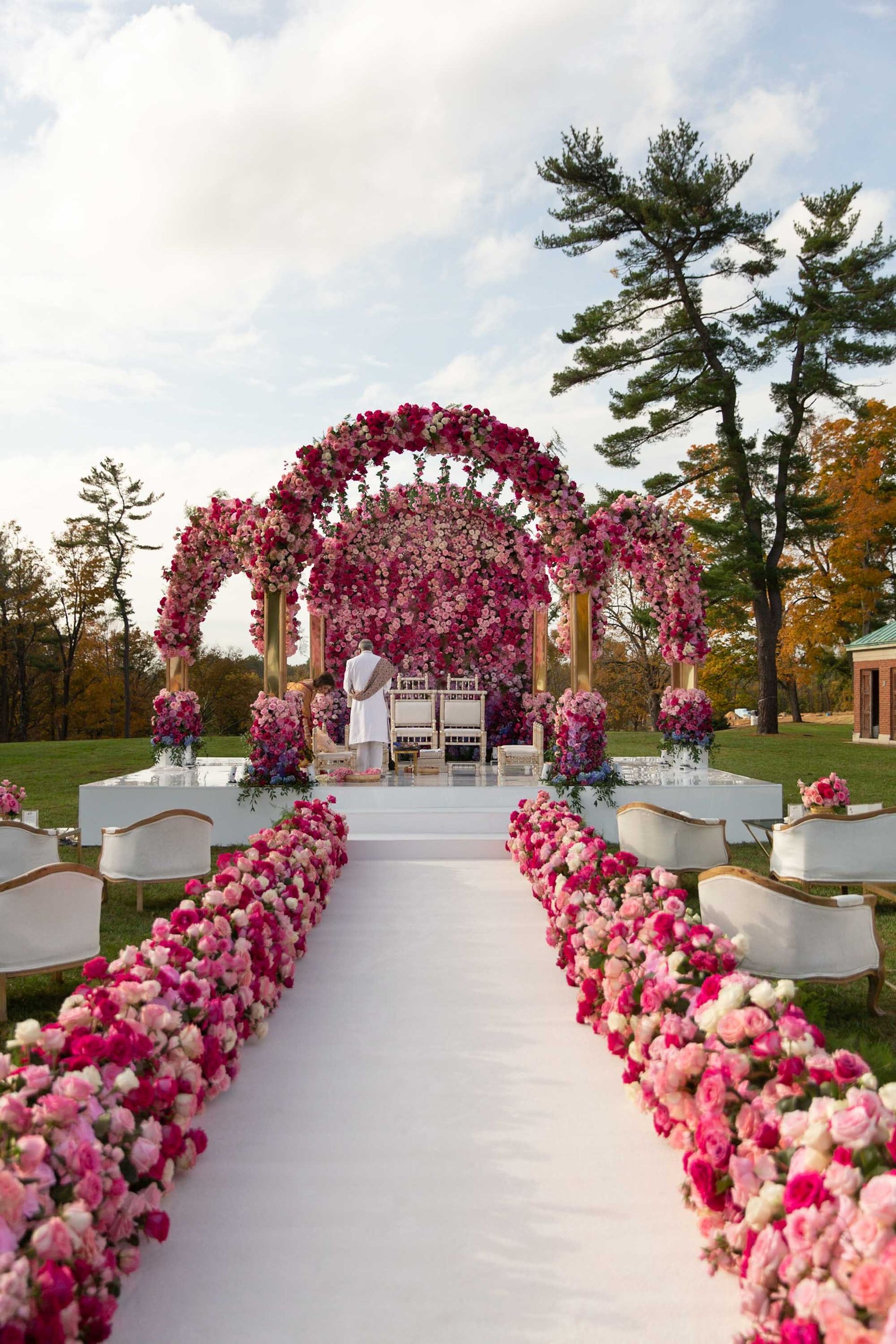
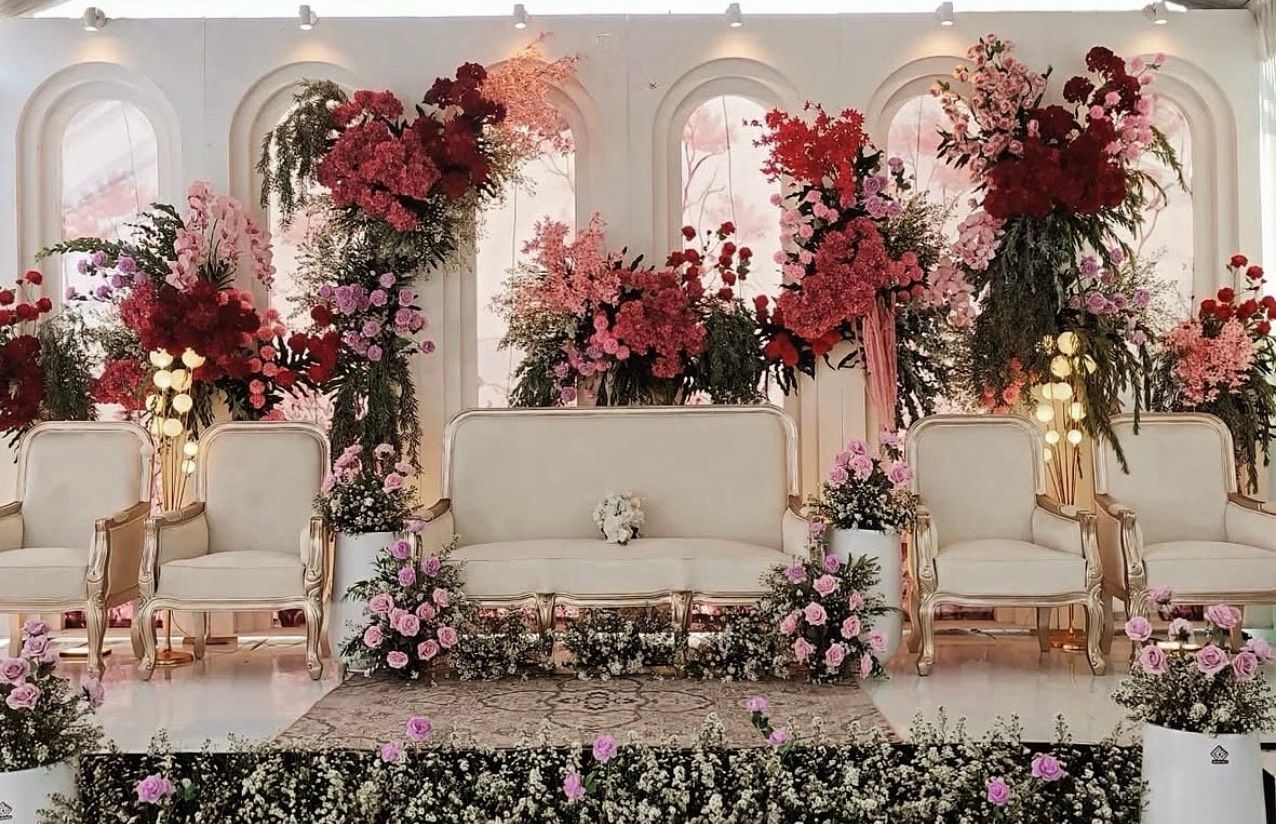
The most polished weddings use the same fonts, colors, and motif from the invitation to the dessert sign. Choose two typefaces and a small palette, and repeat them. It should connect with your florals and décor too — see florals that photograph like couture for how color reads on camera.
Print and Digital Together
Printed invitations remain the standard for the main events, and elders often treasure them. Digital invitations and a wedding website are ideal for reminders, travel details, and last-minute updates. Most of our couples use both.
Frequently Asked Questions
When should South Asian wedding invitations be sent?
Around three to four months before the wedding, with save-the-dates eight to twelve months ahead when guests are travelling internationally.
Should each wedding event have its own invitation?
A single suite with a separate card for each event works best. Guests receive only the cards for the events they are invited to.
How many invitations should we order?
Count households, not guests, then add roughly ten to fifteen percent for late additions, keepsakes, and your photographer's flat-lay.
Final Thoughts
Stationery, signage, and graphics are part of full-service planning at Sapphire Events by Ujala. Start with our consultation request form, or read more about Sapphire.
For more planning advice, visit the Sapphire Events journal.
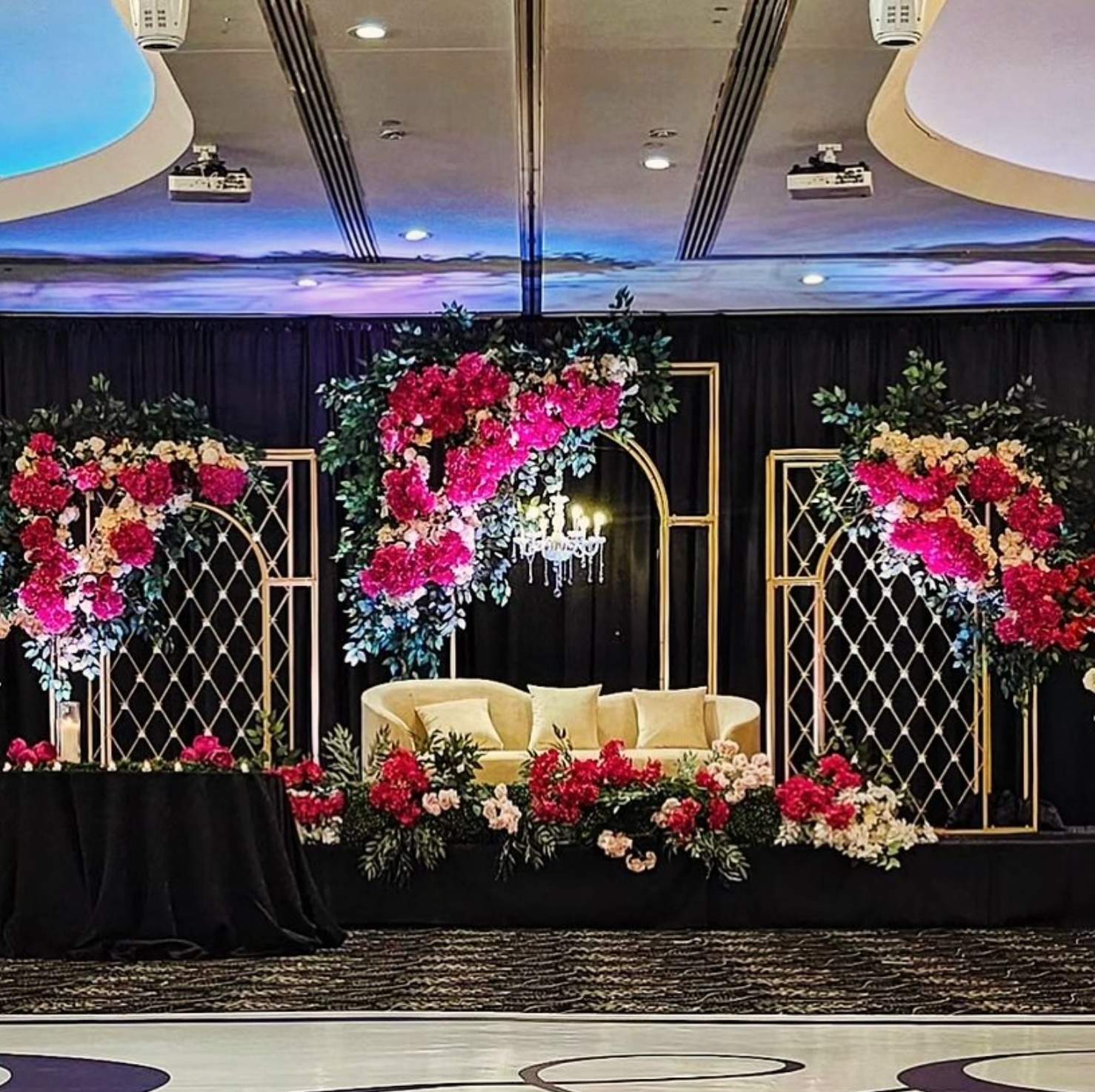
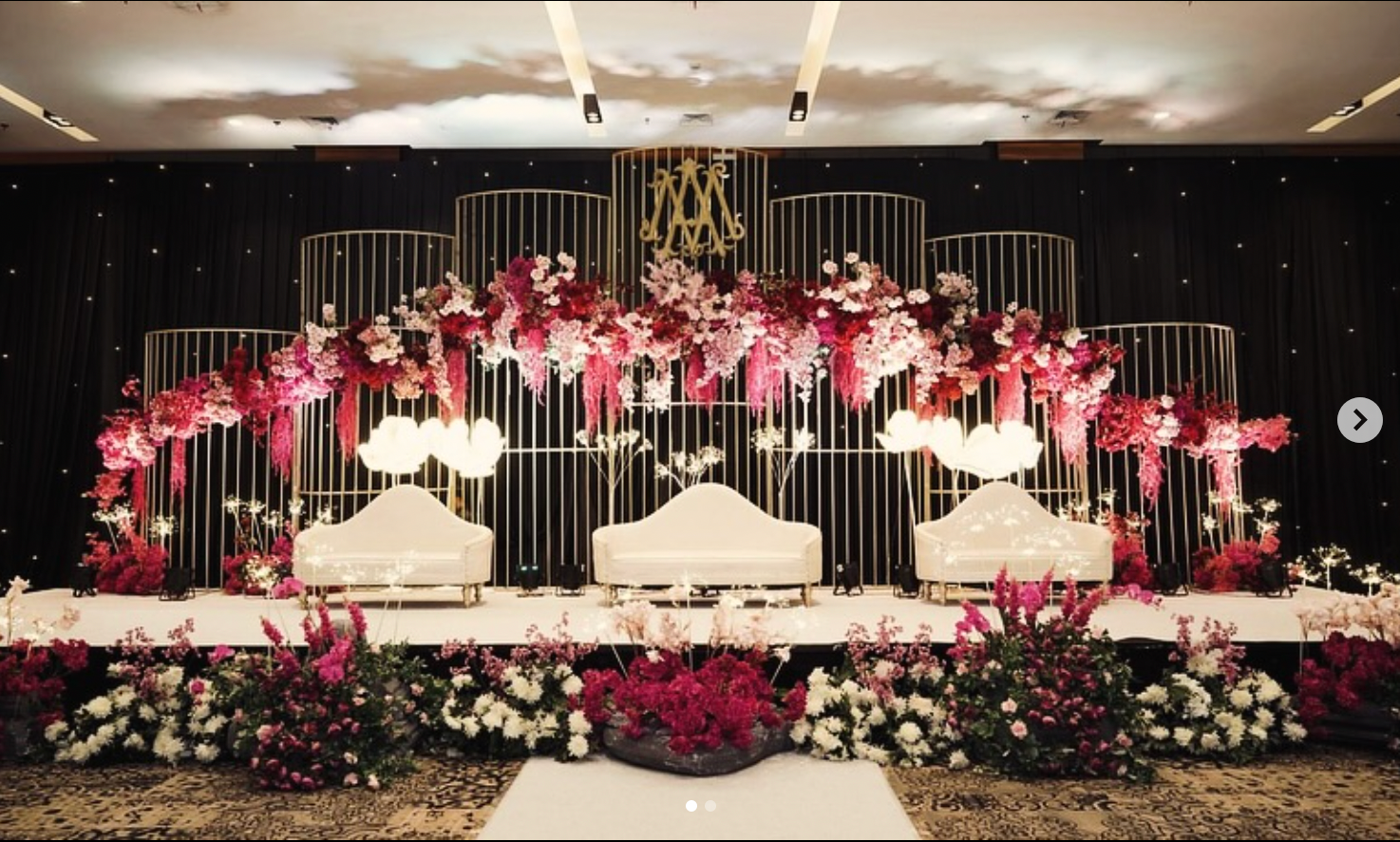
Design Paper That Sets the Tone
We coordinate stationery, signage, and print production so every piece matches the event you are planning.